




How Accountancy Practices Can Improve Client Retention and Grow Advisory Revenue
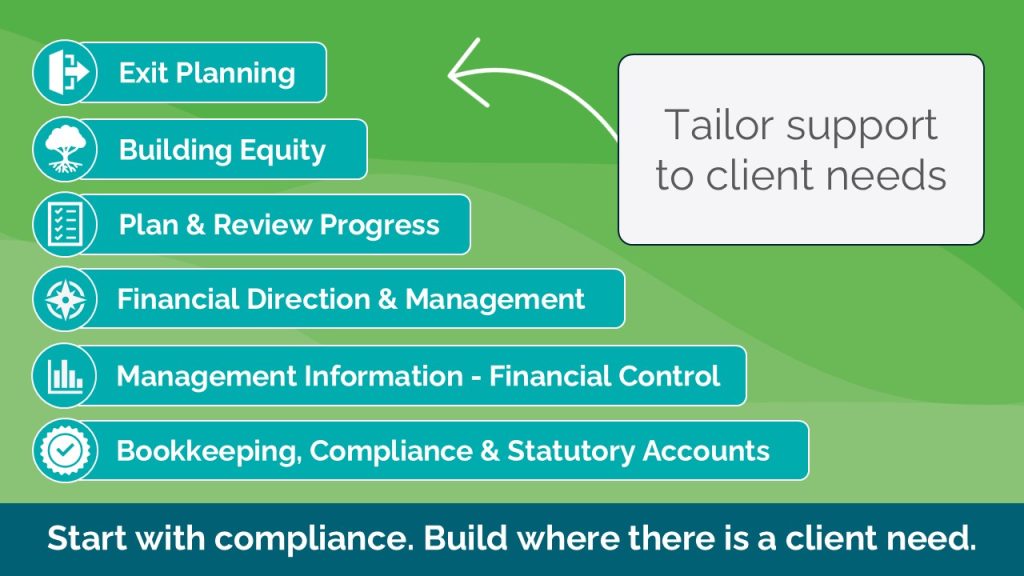
Commercial growth need not begin with a new service package. A structured approach to client meetings, relevant communications and reusable education can help a practice demonstrate greater value over time.
Where should a practice begin?
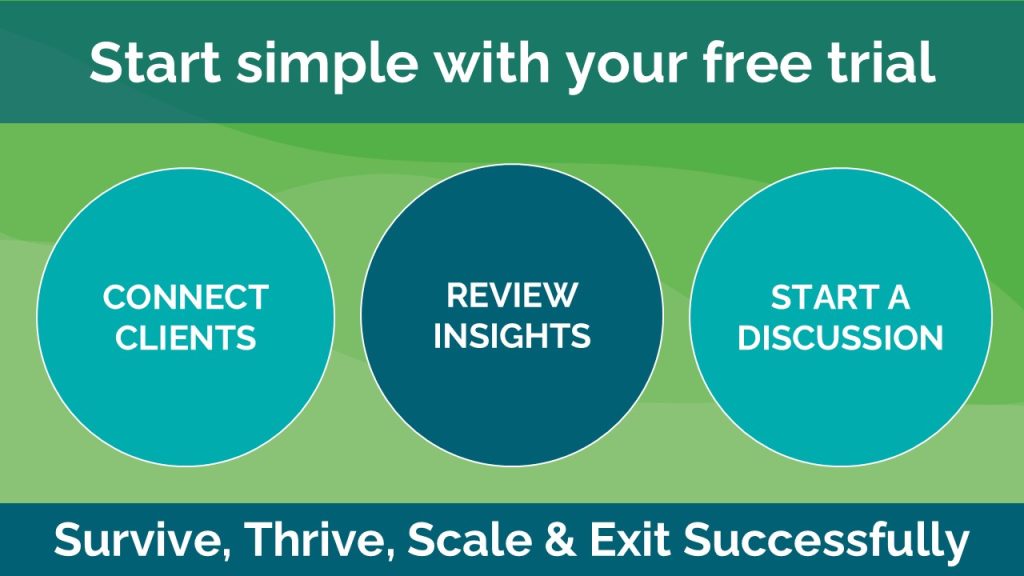
Start with the client relationships you already have. Make existing meetings more useful before expecting clients to buy a new service. Then extend the same relevance between meetings with carefully reviewed, personalised communications. Finally, make your expertise reusable through educational assets that help clients and show prospects what your firm can offer.
Why better meetings are the fastest starting point
A practice does not have to replace its existing client meeting process to start making its advice more relevant. The webinar proposes adding a short forward-looking discussion to meetings already scheduled. Instead of stopping at historic accounts and tax, the team identifies current risks, favourable movements and the decisions needed next.
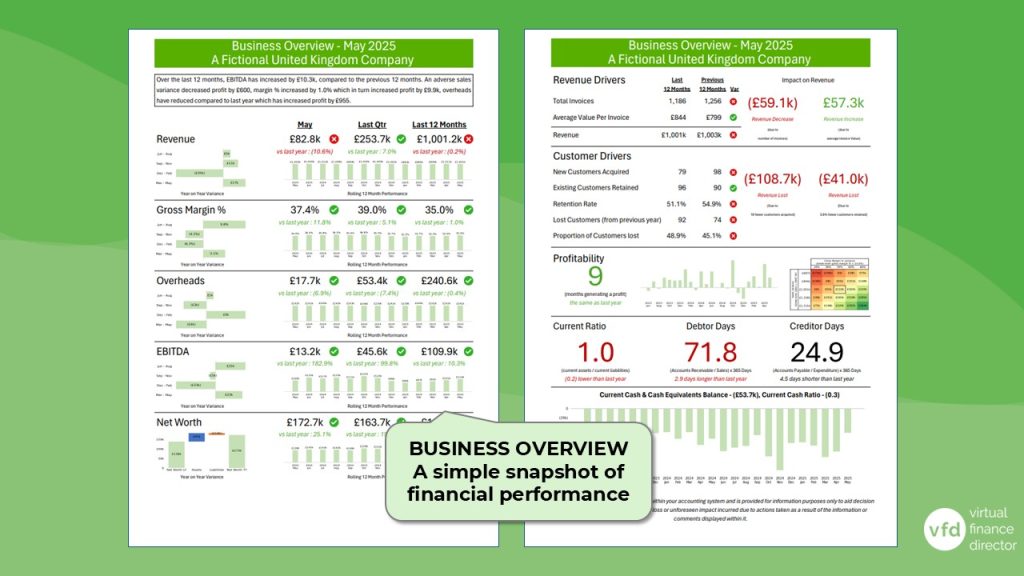
The example in the session moves from a financial indicator to its effect on profit and potentially business value. For a less experienced staff member, a draft client email, structured agenda and action record create a practical way to start a conversation without pretending to have every answer.
What to standardise
- Choose the two or three issues that matter most, including positive developments.
- Quantify their financial significance where the underlying figures permit it.
- Prepare a concise client message and suggested meeting agenda.
- Capture the action, owner, deadline and next review point.
The commercial logic is that clients experience a service beyond the minimum compliance requirement, which can help strengthen their perception of value. Referrals, retention and higher fees are possible outcomes, not guaranteed results.
Watch how the process is demonstrated
The companion webinar shows the practical connection between financial analysis, a relevant client email, meeting preparation and action tracking.
Watch the practical demonstrationHow to move from annual contact to regular relevance
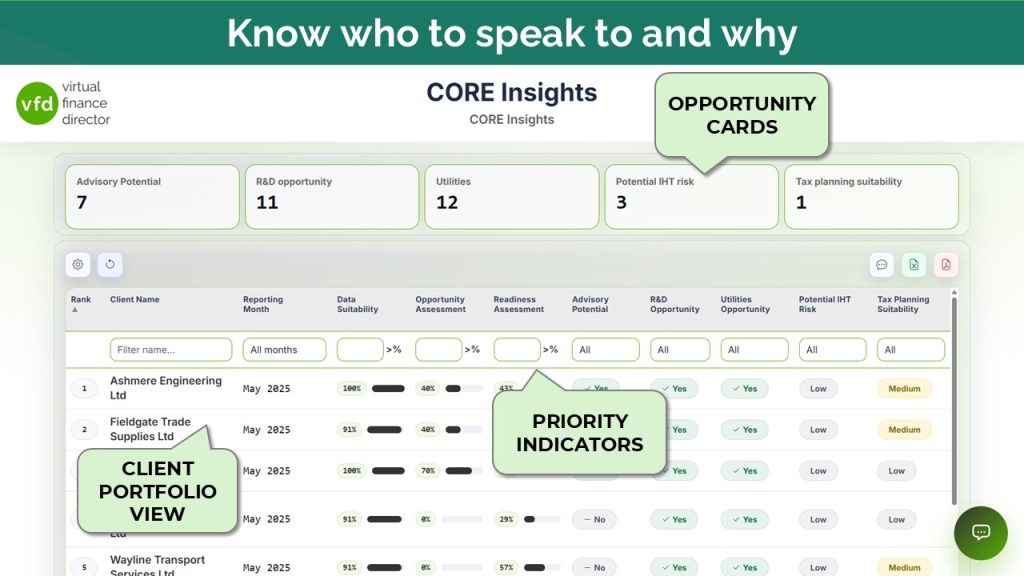
The second phase is to create more opportunities for clients to experience useful support, without requiring fee earners to send every message by hand. The webinar proposes reviewing client information quarterly, grouping businesses facing similar issues and creating personalised email sequences around those issues.
A cash-flow concern, for example, can be explained using that client's own financial movements and an invitation to book a review. Another client might have a customer retention issue. This is substantially different from sending every business the same generic newsletter.
1. Select an issue
Use portfolio data to identify a meaningful topic, such as cash pressure or declining customer retention.
2. Check relevance
Ask a client manager to validate the figures and exclude cases where the proposed communication is inappropriate.
3. Offer useful next steps
Explain the issue, link to an educational resource where relevant and allow the client to request a conversation.
The recording demonstrates exporting client-level information and loading fields into a CRM or marketing automation system. The choice of system, fields, permissions and communication preferences needs to be appropriate for each practice. The session does not claim every communication will generate an appointment.
Build an email sequence without overwhelming clients
The presenter describes setting a start point, a delay and a series of follow-up messages. Responses and link clicks can then influence whether a client remains in the sequence. The intention is to keep communications helpful rather than simply repeating sales requests.
- Prepare a specific initial message identifying the financial issue.
- Offer a practical resource and a link to request help.
- Where no action follows, consider a measured reminder or supporting information.
- Stop the issue-specific sequence when the client requests a meeting or the planned campaign ends.
- Review the results and decide whether a different issue merits attention in the next cycle.
The transcript describes implementation as work that can take months, with the meeting improvements providing earlier value while the wider communication system is developed.
Turn financial education into an asset that keeps working
In the third phase, education extends the value delivered by the practice. The webinar introduces FiMBO, a set of financial management education modules covering subjects such as growth, overheads, cash flow, margin and cost control. Rather than requiring a junior colleague to explain every subject immediately, the practice can point clients towards a suitable resource or invite them to a training session.
Recordings of educational sessions can become reusable website resources. They also make a practice's capabilities more visible to prospective clients, including business owners who may be seeking ongoing advisory support rather than only annual compliance.
Use one educational session in several ways
- Run a session for existing clients and invite suitable prospects.
- Give staff the opportunity to learn alongside clients.
- Record the session and publish it as an evergreen resource where permissions permit.
- Link to it in relevant client communications or meeting follow-ups.
- Use the material to illustrate the breadth of the practice's support.
Measure the return without assuming it will happen automatically
The webinar discusses the possibility of better retention, more relevant referrals and greater acceptance of fee increases, using illustrative 10% and 20% fee uplift scenarios. These are commercial questions for each firm to test, not evidenced forecasts or promised outcomes.
Client experience
Track whether clients respond positively to more useful meetings and relevant follow-up.
Engagement
Measure meetings requested, useful responses and the uptake of educational resources.
Commercial outcomes
Review client retention, referral quality, additional service demand and actual fee increase acceptance.
Where a practice wishes to change pricing, the webinar advises testing increases on a smaller scale, listening to client feedback and avoiding the appearance that one useful meeting automatically triggers a price rise.
A practical rollout sequence for your practice
- Start with existing meetings. Choose a small set of suitable clients, prepare current financial talking points, and record agreed actions.
- Review the client reaction. Find out whether the extra discussion was useful and whether follow-up opportunities emerged.
- Select one recurring communication theme. Use an issue with sound data and a clear client benefit, such as cash flow.
- Build and review the first sequence. Give a manager oversight of the audience and content, then assess engagement.
- Publish one educational asset. Choose a recurring client problem, deliver practical guidance and make the recording reusable.
- Measure and refine. Evaluate engagement, referrals, retention and real commercial outcomes before scaling.
This sequence combines the webinar's three phases into a manageable implementation order. The presenter notes that the phases can also run in parallel.
Questions accountancy practices may ask
Can a compliance-led practice adopt this approach?
Yes. It can begin by adding a short forward-looking discussion to existing year-end or periodic meetings before establishing a separate advisory offering.
Does every message have to be written by a fee earner?
No. The webinar proposes involving administrative or marketing colleagues in segmentation and automation, with appropriate client-manager review of the communications.
Will this guarantee a higher fee or more referrals?
No. The recording describes potential commercial benefits and encourages practices to test and measure pricing and client reactions.
Why create educational content if clients will not pay for advice?
Reusable resources can provide appropriate self-service support while also helping clients and prospects understand the wider capabilities of the practice.